Hotel Laundry Chemical Trends: Lower-Temperature Washing, Linen Life, and Stain Expectations
Hotel laundry is becoming a sharper formulation problem. Properties want lower energy use, faster turnaround, fewer rewashes, and longer linen service life, while guests still expect white, clean-feeling sheets, towels, table linen, and uniforms.
For laundry chemical manufacturers, these pressures are shifting product development priorities. The strongest opportunities are not only stronger alkalinity or more aggressive oxidizing systems. They are balanced formulations that combine surfactants, builders, controlled bleaching, and enzyme class selection to improve stain release under practical hotel wash conditions.
Enzymimpact works as an enzyme supplier for industrial laundry chemicals, supporting product managers and technical teams building detergents, boosters, prespotters, and wash additives for commercial and hospitality accounts.
Why hotel laundry chemistry is changing
Hotel operators are under pressure from three directions:
- Energy and water management: Lower-temperature programs and optimized rinse profiles are becoming more common.
- Linen cost control: Aggressive chemistry can shorten textile life, create harsh hand feel, or accelerate greying when not balanced correctly.
- Guest-facing cleanliness expectations: Visible stain removal, neutral odor, brightness, and softness remain non-negotiable.
This creates a formulation gap. Standard high-temperature assumptions do not always translate to newer wash programs. Enzyme-enabled detergents and additives can help fill that gap when enzyme classes are selected for the right soils, substrates, pH range, storage environment, and process sequence.
Trend 1: Lower-temperature washing requires more selective stain release
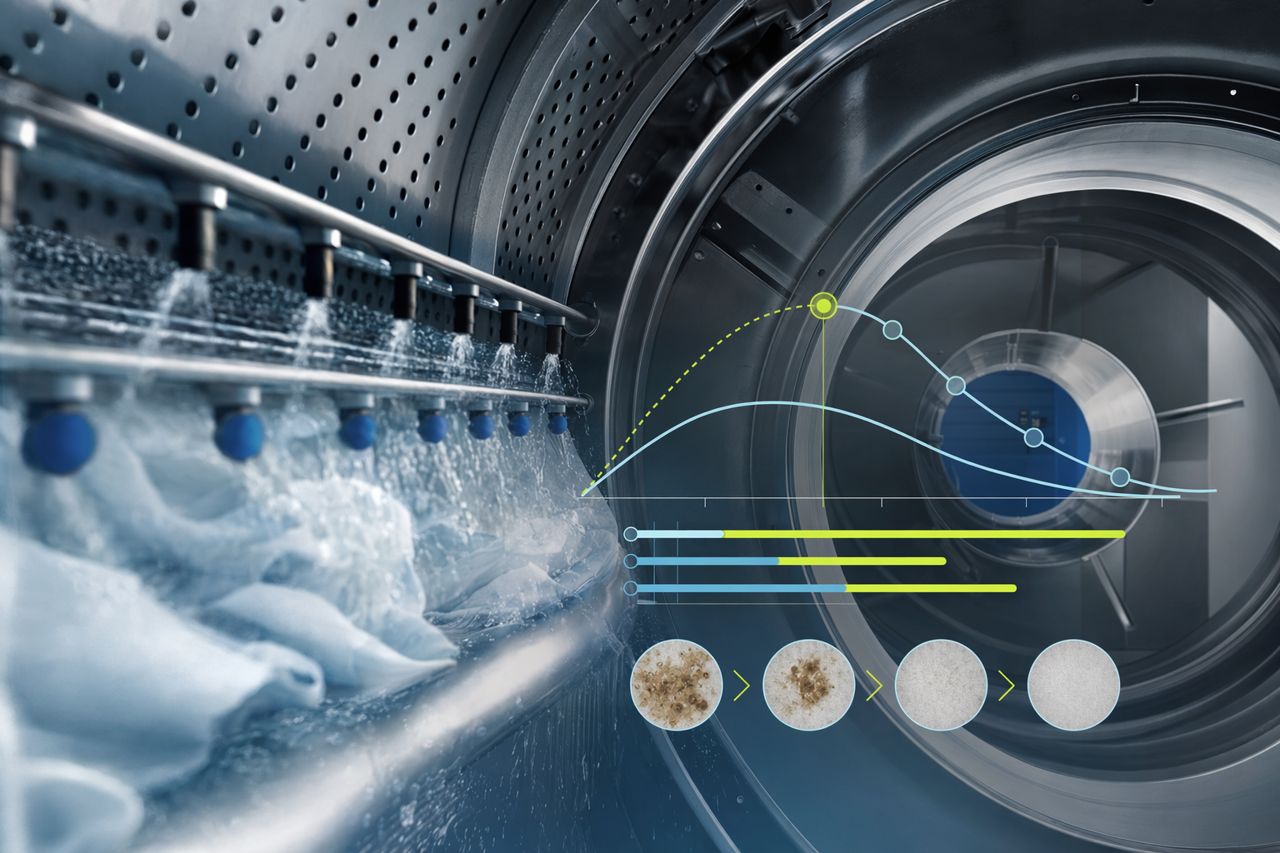
Lower wash temperatures can reduce thermal contribution to soil removal. That makes chemistry architecture more important.
In hotel laundry, common soil loads include:
- Body oils and sebum on pillowcases, towels, and robes
- Protein soils from food, blood traces, and personal-care residues
- Starch-containing food soils on table linen and uniforms
- Cosmetic residues, sunscreen, and mixed organic soils
- Repeated-use greying from incomplete soil suspension or redeposition
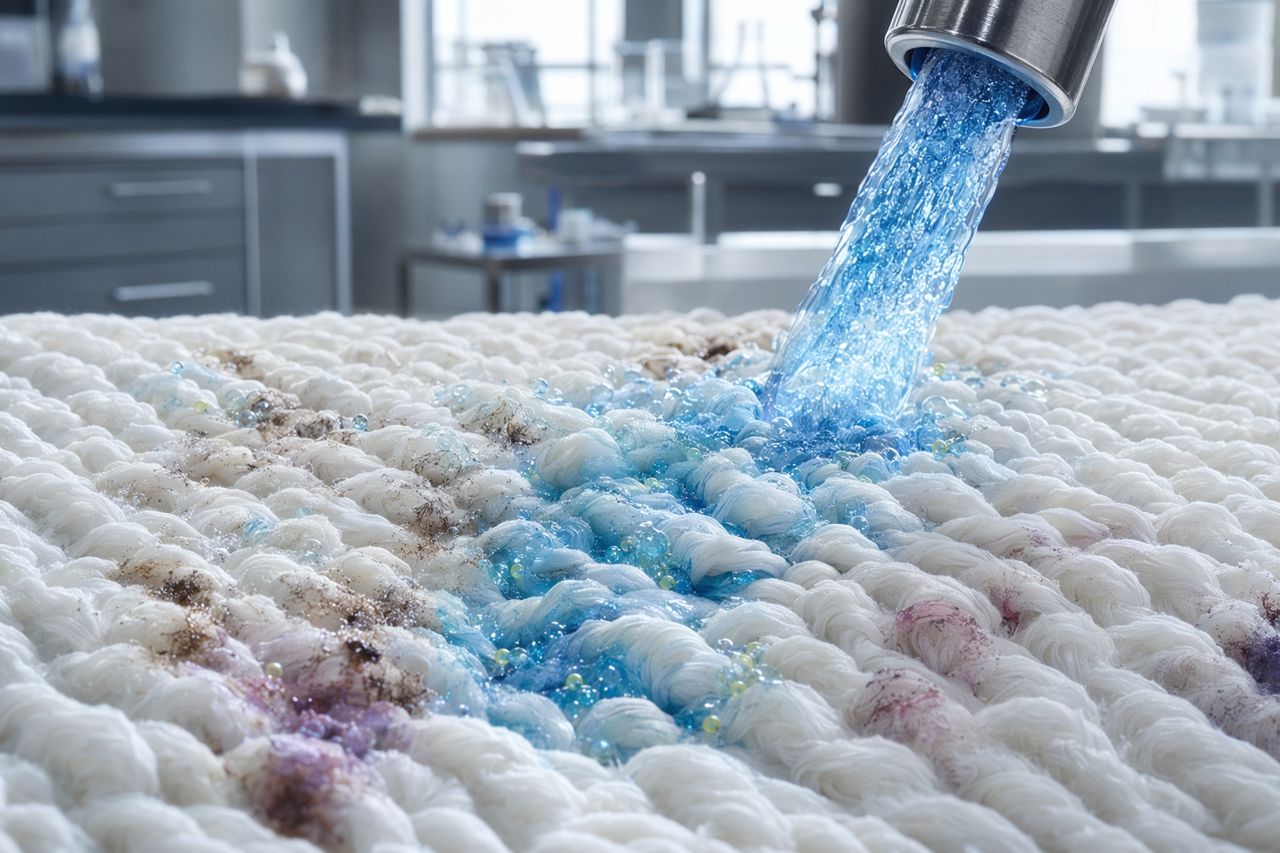
Enzymes can support targeted breakdown of specific soil types, helping the rest of the detergent system work more efficiently. For formulators, the goal is not simply to add enzymes. The goal is to select an enzyme package that complements surfactant choice, builder system, alkalinity, bleach strategy, and process timing.
Trend 2: Linen life is becoming a measurable selling point
Hotel customers increasingly evaluate chemical programs through total cost of linen ownership. A detergent that removes stains but accelerates fabric wear may create hidden cost for the operator.
Formulation teams are therefore looking for performance routes that support cleaning while reducing dependence on harsh process conditions. Enzyme-assisted cleaning can be part of this approach, especially where lower-temperature washing and controlled alkalinity are desired.
Important product-development considerations include:
- Compatibility with cotton, cotton-rich blends, polyester-cotton, and hospitality terry
- Control of fabric brightness and greying over repeated wash cycles
- Avoidance of excessive harshness that affects towel hand feel
- Integration with bleach-containing or bleach-adjacent systems
- Stability in concentrated liquid, powder, or dosing-friendly additive formats
Cellulase selection can be relevant where formulators want controlled cotton surface care and brightness retention. The decision must be made carefully, with attention to textile type, use pattern, and claim strategy.
Trend 3: Stain expectations are moving from general clean to stain-specific proof
Hospitality buyers are becoming more specific about performance. They want confidence against the stains they actually see: pillowcase yellowing, towel greying, food-service residues, makeup, sunscreen, and spa-related oils.
That changes how chemical suppliers position enzyme-containing products. A broad cleaning claim is often less useful than a technically grounded performance story:
- Protease-containing systems for protein-rich soils and food-service residues
- Lipase-containing systems for body oils, fatty soils, and oily food stains
- Amylase-containing systems for starch-based food residues
- Cellulase-containing systems for selected cotton-care and brightness-retention positioning
- Multi-enzyme blends for mixed hospitality soil loads where broad stain coverage is needed
The commercial advantage comes from matching enzyme selection to the hotel wash environment, not from overloading the formula.
Formulation factors that determine whether enzymes create value
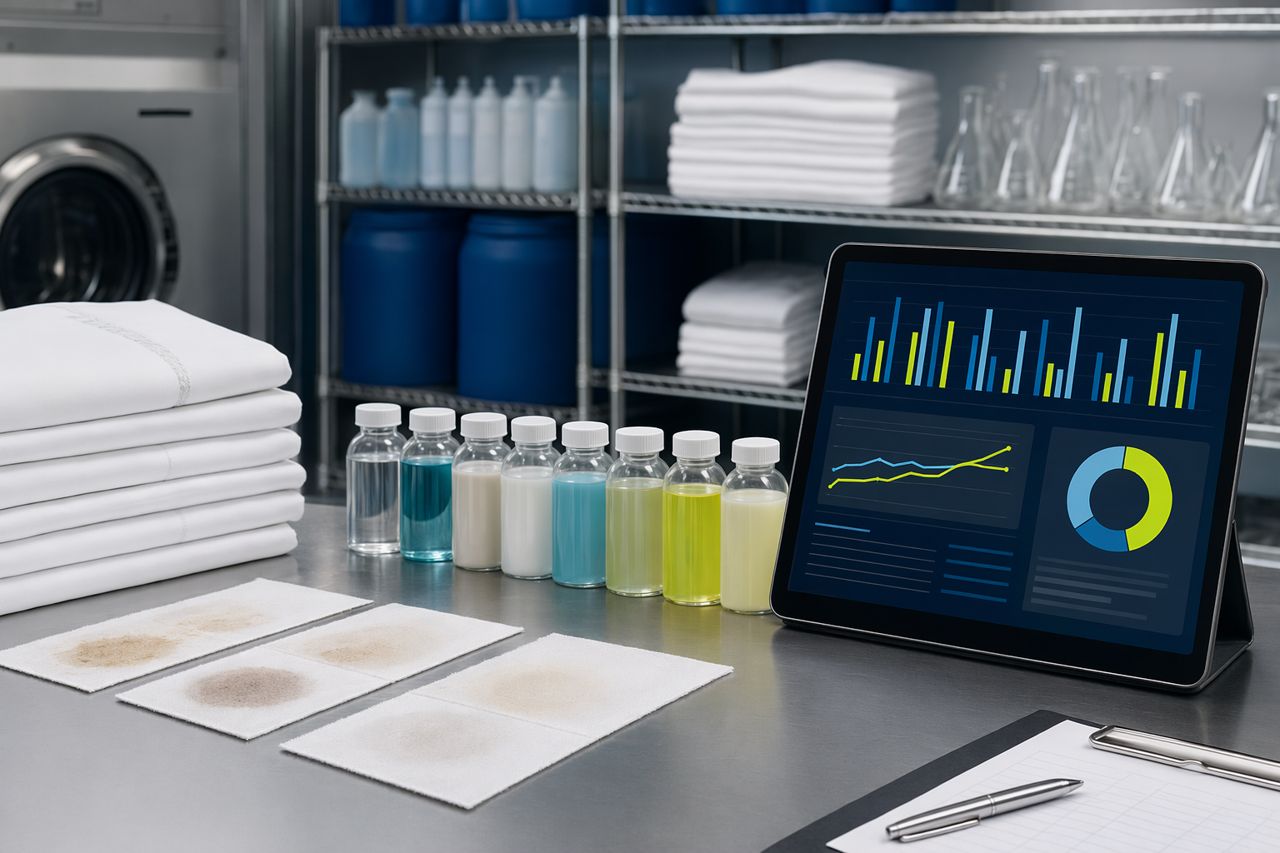
Enzyme performance in hotel laundry products depends on the complete formulation and use environment. Product managers should evaluate:
Wash conditions
- Typical temperature profile
- Main wash duration
- pH range during enzyme exposure
- Mechanical action from tunnel washers or washer-extractors
- Prewash, main wash, bleach, and rinse sequence
Product format
- Built liquid detergent
- Powder detergent
- Enzyme booster
- Prespotter or stain additive
- Controlled dosing system concentrate
Compatibility requirements
- Surfactant system
- Builders and alkalinity sources
- Chelants and water hardness control
- Oxygen bleach systems and activators
- Preservatives, fragrance, dyes, and optical brighteners
- Packaging and storage profile
Commercial positioning
- Lower-temperature washing support
- Reduced rewash positioning
- Linen-life and hand-feel support
- Stain-specific claims for hospitality accounts
- Differentiation from commodity alkaline or bleach-heavy programs
Practical enzyme class selection for hotel laundry products
| Formulation objective | Relevant enzyme class | Typical hotel laundry application |
|---|---|---|
| Protein stain removal support | Protease | Sheets, pillowcases, table linen, uniforms |
| Oily soil release support | Lipase | Towels, robes, pillowcases, spa linen |
| Starch residue breakdown | Amylase | Napkins, tablecloths, kitchen uniforms |
| Cotton surface-care positioning | Cellulase | Selected cotton and cotton-rich linens |
| Mixed stain coverage | Multi-enzyme blend | Main detergents, boosters, broad hospitality programs |
The best enzyme strategy is usually built around the product’s intended role in the wash program. A main detergent may need broad compatibility and balanced stain coverage. A booster may prioritize a narrower soil challenge. A prespotter may need short-contact performance and substrate-safe positioning.
What chemical suppliers should ask before reformulating
Before selecting an enzyme package for a hotel laundry line, define the application environment clearly:
- What fabric mix will the product treat most often?
- Is the target process low-temperature, medium-temperature, or variable by account?
- Will the enzyme be exposed before, during, or near a bleaching step?
- Is the product a liquid, powder, booster, or prespotter?
- What storage conditions are realistic in distribution and on-site chemical rooms?
- Which stain types are driving customer dissatisfaction or rewash?
- What claims must sales teams support without overcomplicating dosing?
These questions help narrow enzyme class selection and reduce development risk before pilot production.
How Enzymimpact supports hotel laundry chemical development
Enzymimpact supports B2B formulation teams with enzyme selection for industrial laundry detergents and additives. Our work is focused on practical integration, not generic ingredient supply.
We help teams evaluate:
- Enzyme class fit for target stain profiles
- Compatibility with detergent architecture and wash conditions
- Blend concepts for lower-temperature hospitality programs
- Format considerations for liquids, powders, boosters, and additives
- Scale-up questions that affect product stability and commercial use
- Differentiated positioning for hotel laundry accounts
The objective is straightforward: help chemical manufacturers build enzyme-enabled laundry products that are commercially credible, technically balanced, and easier to scale.
Product opportunity: enzyme-enabled hotel laundry ranges
Hotel laundry trends create room for differentiated product lines, including:
- Lower-temperature main wash detergents
- Enzyme boosters for mixed hospitality stains
- Protein and oil stain additives for food-service linen
- Cotton-care formulations for premium linen programs
- Dosing-system concentrates for commercial laundries
- Rewash-reduction support products for high-volume hotel laundries
Each opportunity requires a different enzyme and formulation strategy. Enzymimpact can help define the enzyme package around the product’s wash role, storage format, and claim set.
Request a quote
If you are developing detergents, boosters, prespotters, or additives for hotel and hospitality laundry programs, Enzymimpact can help you compare enzyme options for your target formulation.
Request a quote and share your product format, target wash conditions, fabric mix, and stain priorities.